The books we find at the right time
On borrowed books, pencilled notes, and the quiet company of a good sentence.
In Kyoto’s quiet side streets, I found a different way of being a visitor.
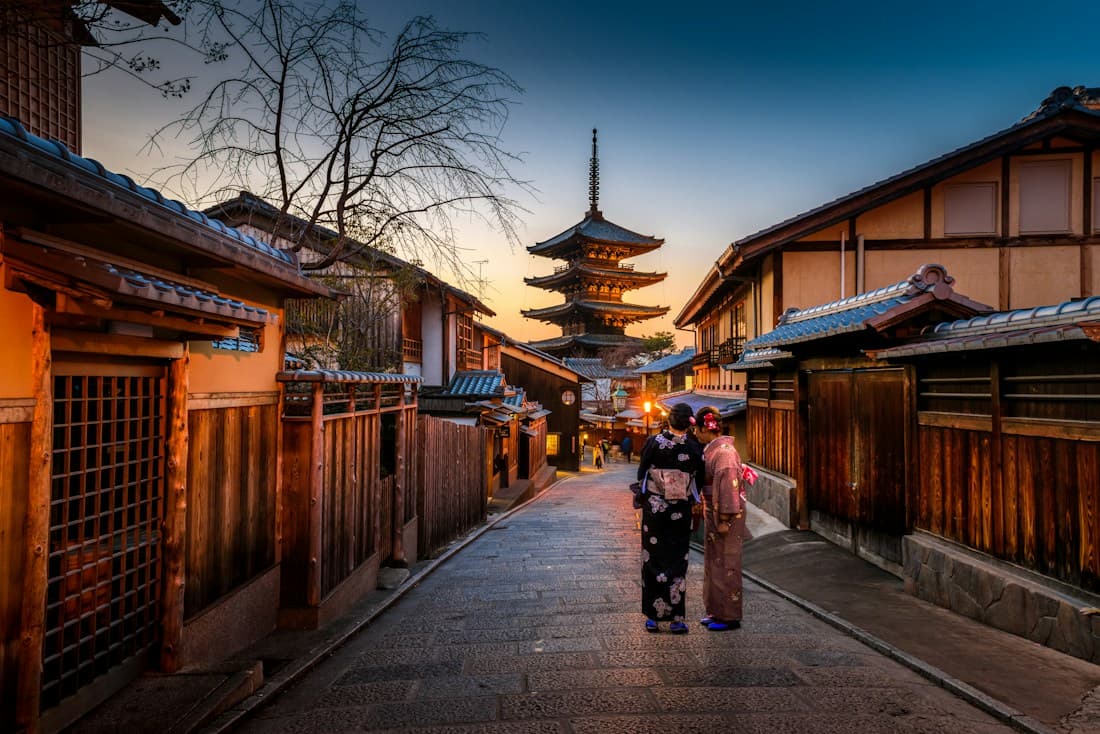
My first morning in Kyoto began with a list of places to see. By noon, I had put the list away. I was watching a shopkeeper sweep a patch of pavement that already looked perfectly clean, and for the first time that day I was not wondering where I needed to be next.
Walking changes the size of a city. On a train, places become dots. On foot, they become the distance between the smell of bread and a crossing light; the length of a conversation you only partly understand; a street that looks entirely different when you turn around.
I followed the quieter roads, careful to respect signs about private lanes and photography. A city is someone’s home before it is anyone’s destination. That thought made me a more attentive visitor. I stepped aside for bicycles. I put the camera away when it felt intrusive.
The most memorable part of a place is often what happens between the things you came to see.
At a tiny counter, I ordered tea by pointing and smiling. The owner showed me where to put my bag. We said very little, but there was a kind of welcome in the small practical gestures: a cup turned toward me, a chair moved into the shade.
I came home with fewer photographs than I expected. I also came home with a memory of afternoon light on a tiled roof, and the feeling of having spent one day at the speed of a place instead of my itinerary.
Thank you for spending a little time in this story.
Fictional story and author created for this frontend demo.
Bookmarks are saved only in this browser.
Related by topic, with a little room for discovery.
On borrowed books, pencilled notes, and the quiet company of a good sentence.
An unplanned turn, a quieter path, and a reminder that not every journey needs a destination.
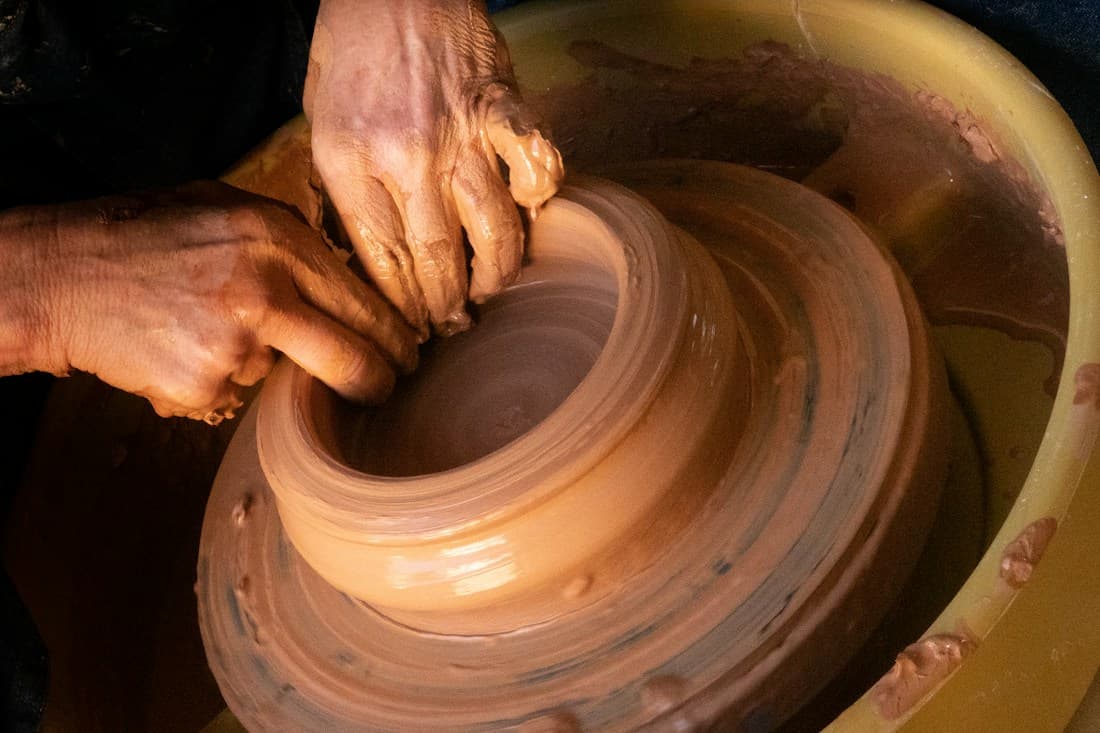
What a slightly crooked clay bowl taught me about being a beginner again.